A commercial use logo license usually means you are allowed to use a logo for business purposes like a website, social media, packaging, ads, or printed materials. What it does not automatically mean is full legal ownership, trademark clearance, exclusive rights, or permission to use every part of that design in every possible way forever. The details depend on the license terms.
That distinction matters because many small business owners assume that if they paid for a logo, they can use it however they want. Sometimes that is true in practice for ordinary branding use. Sometimes it is not. If you are choosing a logo from an AI platform, template library, freelance designer, or design marketplace, the words commercial use logo license should prompt one question first: what, exactly, am I allowed to do with this logo?
What a commercial use logo license usually covers
In plain terms, commercial use means using the logo to support a business, brand, product, or paid service. That generally includes placing the logo on your website, social profiles, email signature, presentations, invoices, digital ads, printed cards, and basic marketing materials.
For many early-stage businesses, that is the practical core of what they need. They are not trying to negotiate global merchandising rights on day one. They need a logo they can put on real business materials without worrying that ordinary use violates the license.
Still, commercial use is broader than personal use, but not necessarily unlimited use. A license may allow standard business branding while restricting resale, redistribution, sublicensing, or use in products where the logo itself becomes the item being sold. For example, putting your logo on your bakery box is different from selling the logo artwork itself as a downloadable design asset.
Commercial use logo license vs ownership
This is where many people get tripped up. A license gives permission to use a design under certain terms. Ownership is a different question.
A designer, platform, or asset provider may grant broad commercial usage without transferring all underlying rights. In some setups, you receive a non-exclusive license. In others, you may receive more extensive rights to the finished logo files. The only reliable answer is in the actual terms you agree to.
For a small business, the practical issue is less about legal theory and more about risk and flexibility. If you plan to build a brand around one logo for years, you should understand whether the logo is exclusive to you, whether stock elements were used, whether edits are allowed, and whether you can continue using it if your subscription or account status changes. Those answers affect how stable your brand system really is.
What to check before you use the logo publicly
Before you print signs, order packaging, or launch your website, review the license terms in plain language. You do not need to be a lawyer to spot the important parts.
Start with scope. Does the license clearly permit business use across digital and print materials? If you plan to use the logo on product packaging, uniforms, signage, or paid ads, make sure those uses are not excluded.
Next, check exclusivity. Some logo systems use templates, icons, or generated concepts that may not be exclusive. That does not automatically make them unusable, but it does change the level of uniqueness you should expect.
Then look at modification rights. Can you edit colors, type, layout, and file formats later? Businesses often need small adjustments once they begin using a logo in the real world.
Finally, check whether the license says anything about trademark eligibility, asset sources, or prohibited uses. A provider may allow commercial branding use while making no promise that the logo can be registered as a trademark. That is a meaningful limitation, especially if long-term legal protection matters to you.
Common situations where limits appear
The phrase commercial use logo license sounds broad, but limits often show up in specific scenarios.
Merchandise is one example. Some licenses allow you to use a logo on items that support your business, while others restrict use on goods meant for resale. If you run a brand that sells apparel, mugs, or stickers, review that section carefully.
Stock graphics are another. If a logo includes third-party icons, fonts, or illustrations, your usage rights may partly depend on those source licenses. That does not mean the logo is unusable. It means the final rights may be narrower than “do anything you want.”
Exclusivity is another common gray area. A custom logo created from scratch by a designer may be more suitable if your business needs a highly original mark, unusual illustration, or a stronger path toward distinctiveness. An AI-assisted platform or template-based tool may be a practical fit when speed, budget, and ease of use matter more than a fully bespoke process.
When an AI logo platform may be suitable
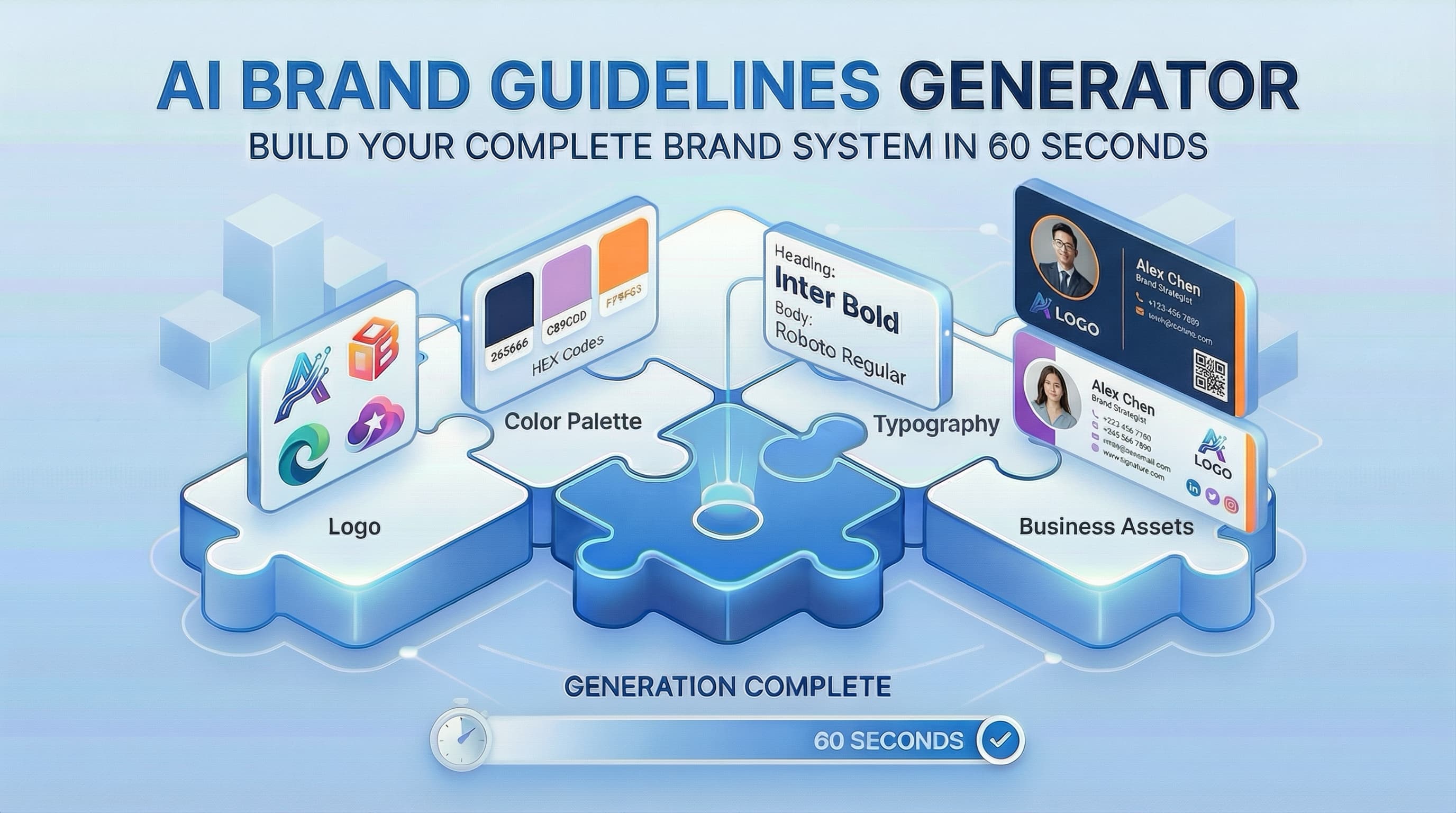
If you are launching quickly and need a professional-looking identity system without starting with a traditional agency, an AI-assisted branding platform may help. The strongest use case is usually a new or small business that needs a usable visual foundation now: logo files, colors, fonts, and coordinated brand materials.
That said, the license terms still matter as much as the visual result. Before using any platform, confirm what commercial usage is allowed and what is not. A polished logo preview is helpful, but the practical value comes from being able to use those files across your actual business touchpoints.
Ficonica is one option in this category for businesses that want to move from a name and industry description to a coordinated brand system more quickly. Whether that is the right route depends on how customized your brand needs to be and how much legal or strategic complexity is involved.
When a designer or agency may be the better choice
A commercial use logo license is only one part of the decision. Sometimes the bigger question is whether the logo creation process fits your business.
If you need original illustration, packaging systems, in-depth brand strategy, multiple stakeholder workshops, or a highly customized identity for a crowded market, a freelance designer or agency may be more appropriate. They may also be better suited when you need a clearer chain of authorship and more tailored contract terms.
This usually costs more and takes longer, but the trade-off may be worth it. A more custom process can reduce template-like outcomes and give you more control over revisions, applications, and documentation. For some businesses, especially those still validating an offer, that level of investment may be premature. For others, it is the sensible starting point.
A simple way to evaluate a commercial use logo license
If you want a practical filter, ask five questions before committing.
Can I use this logo on my website, social media, printed materials, and ads? Can I edit it later if my business evolves? Is the design exclusive, or could similar versions exist elsewhere? Are there restrictions on merchandise, resale, or redistribution? Does the provider make any statement about trademark-related limitations or stay silent on that point?
If the answers are easy to find and match your business model, that is a good sign. If the terms are vague, missing, or written in a way that leaves obvious gaps, slow down before building your brand around that logo.
What small businesses often need most
Most small businesses do not need every possible right on day one. They need clarity. They need to know whether they can use their logo across the places that matter now, whether the files will work in digital and print settings, and whether they might run into avoidable problems later.
That is why the best commercial use logo license is not automatically the broadest or most expensive one. It is the one that matches your real use case. A consultant may only need standard branding use across web, proposals, and email. An ecommerce brand may need packaging and resale-related permissions. A startup preparing for investment or registration may need more customized design work and more careful legal review.
Treat the license as part of the product, not fine print after the fact. If a logo is going to represent your business everywhere, the permission to use it deserves the same attention as the design itself.
A good logo can help your business look organized and credible, but only if you can use it confidently where your business actually operates.