Logo vs Brand Identity: What Small Business Owners Should Know
Short answer
A logo is a single visual mark representing a business, while brand identity is the entire system of visual elements that defines how a brand appears across all platforms, ensuring consistency and recognition.
Logo vs brand identity are closely related concepts, but they serve different purposes. Understanding the difference makes it easier to build a more consistent and recognizable brand presence.
A logo is usually the first visual element users notice. Brand identity, however, goes beyond a single design and shapes the entire visual language of a business.
What Is a Logo?
A logo is a visual symbol that represents a business. It is designed to be simple, memorable, and adaptable.
In the logo vs brand identity discussion, the logo is often the starting point. It is the most visible element of a brand — the mark that appears on a website, a product, or a business card. But its role, while important, is focused and specific.
An effective logo typically:
• Stays clear at different sizes
• Adapts across various platforms
• Reflects the character of the brand
A well-executed logo design communicates the essence of a business at a glance. It does not need to explain everything — it simply needs to be recognizable.
What Is Brand Identity?
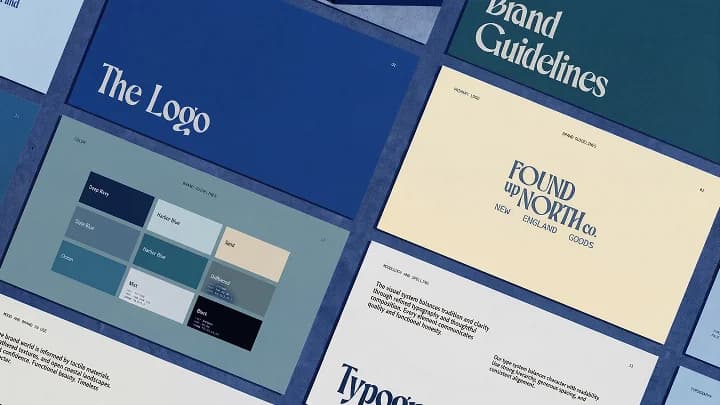
Brand identity is the system that defines the entire visual structure of a business. Color choices, typography, visual style, and overall design direction are all parts of this system.
While a logo is a single mark, visual identity is the broader framework that holds everything together. It shapes how a brand appears across a website, a social media profile, or a printed material — creating a unified brand presence at every touchpoint.
Instead of focusing on a single design element, brand identity ensures that all visual details work together in harmony. This consistency helps users recognize a brand faster and build trust more easily.
For small businesses, this distinction matters. Visual consistency across platforms is what turns a recognizable logo into a trustworthy brand — and that level of consistency only comes from a well-defined identity system.
What Is the Core Difference?
The simplest way to understand logo vs brand identity is to think of a logo as one part of a larger system.
Logo: A single visual mark that represents the brand
Brand identity: The complete visual language that defines how a brand appears across every platform
A useful analogy: a logo is like a name tag, while visual identity is the entire outfit. The name tag introduces who someone is — but the overall appearance communicates much more about their character and values.
A business may have a strong logo. However, if other visual elements are inconsistent, the overall brand presence can feel fragmented.
This is why defining the surrounding visual system matters just as much as the logo itself. When colors, typography and design direction are clearly established, every piece of content reinforces the same brand presence — making recognition easier and trust easier to build.
Why Does This Difference Matter for Small Businesses?
Many small businesses design a logo first and assume the process is complete. Over time, as different colors or typefaces begin to appear, the visual structure can become inconsistent.
Logo vs brand identity is not just a conceptual distinction — it has direct practical implications. A business that treats its logo as the finish line misses the opportunity to build a visual system that works across every platform and context.
Understanding the difference between these two concepts:
• Helps maintain visual consistency
• Strengthens brand recognition
• Reduces the need for constant redesign
For small businesses operating with limited resources, this efficiency matters. A well-defined visual identity means less time spent making design decisions and more time focused on growth.
Building a Brand Identity With Modern Tools
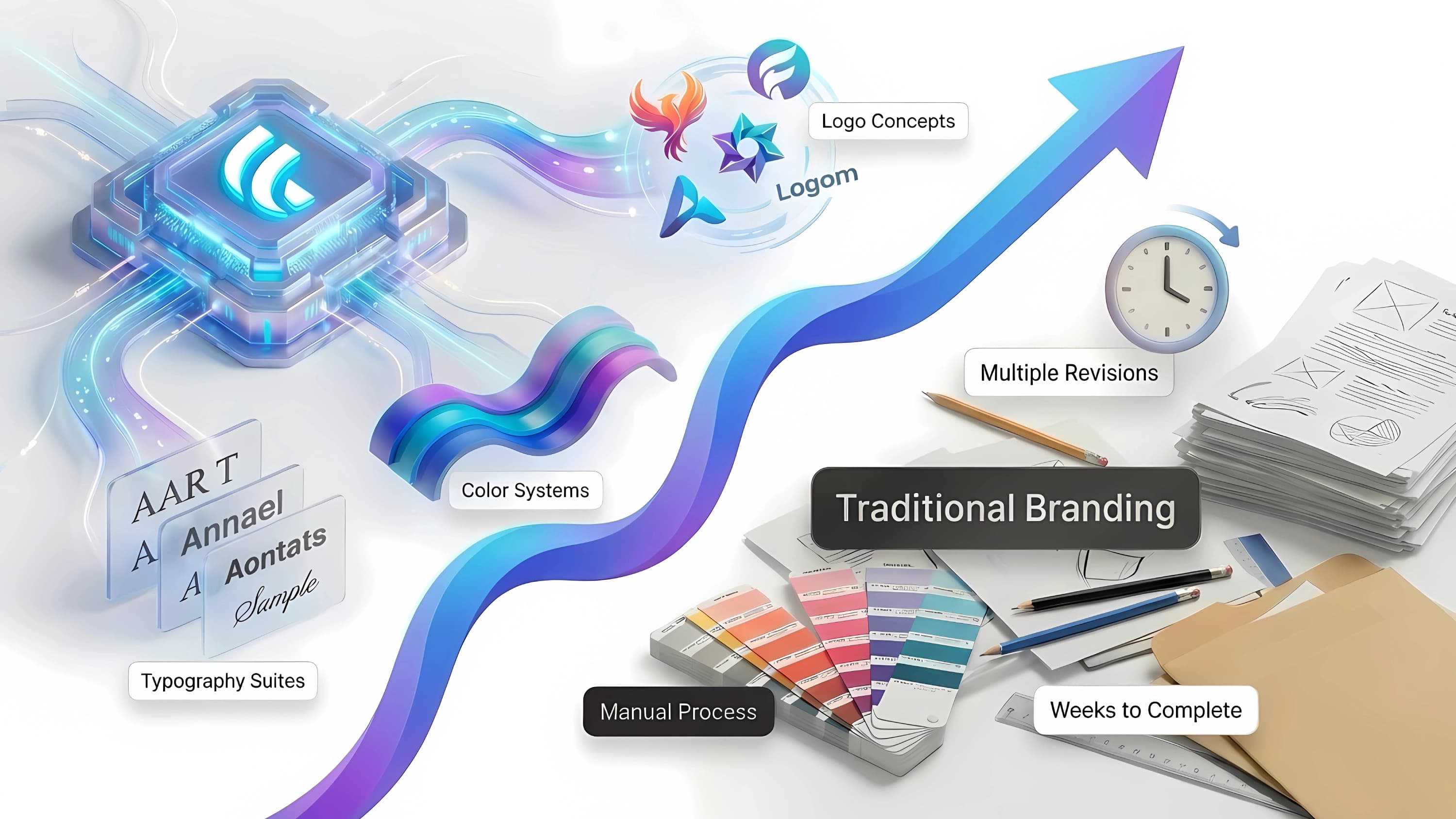
Thanks to AI-powered platforms, building a complete brand identity alongside a logo has become more accessible. Small businesses can manage color systems, typography choices, and logo variations within a single workflow.
This shift is significant in the context of logo vs brand identity. Previously, creating a cohesive visual identity required separate tools, multiple vendors, and considerable budget. Today, the entire process — from logo generation to color systems and typography — can be handled in one place.
Ficonica helps users without design experience shape their visual direction in a more organized and structured way.
The result is a brand presence that feels intentional and complete from the very beginning — not something pieced together over time.
A Logo Starts the Story, Brand Identity Completes It
In summary, logo vs brand identity is not a competition but a balance between two roles. A logo introduces the brand, while brand identity ensures consistency at every touchpoint.
The logo is the starting point — the element that makes a first impression. Brand identity is what sustains that impression over time, across every platform and every piece of content a business produces.
For small businesses, understanding this difference is an important step toward turning individual designs into a strong and recognizable brand presence.
Starting with both in mind — rather than treating them as separate stages — is what allows a brand to grow in a structured and intentional direction from day one.
Related pages:
Branding for Small Business: A Practical Guide to Logo, Colors and Brand Kits What is a Brand Kit and Why Every Small Business Needs One
Frequently asked questions
What is the primary function of a logo?
A logo is a simple, memorable visual symbol designed to represent a business and be recognizable at a glance across various applications.
How does brand identity differ from a logo?
Brand identity is a broader system that includes color choices, typography, and overall design direction, whereas a logo is a single visual mark within that system.
Why is visual consistency important for a business?
Visual consistency across all platforms helps users recognize a brand faster, builds trust, and reinforces the brand's presence at every touchpoint.
How does a defined brand identity benefit small businesses?
For small businesses with limited resources, a well-defined brand identity system reduces the need for constant redesign and saves time on design decisions, allowing focus on growth.
Can AI help in building a brand identity?
Yes, AI-powered platforms can make building a complete brand identity, including logo variations, color systems, and typography, more accessible and manageable for small businesses.
Recommended Articles

Join Our Newsletter
Join our creative community and stay ahead of the curve with fresh design perspectives.