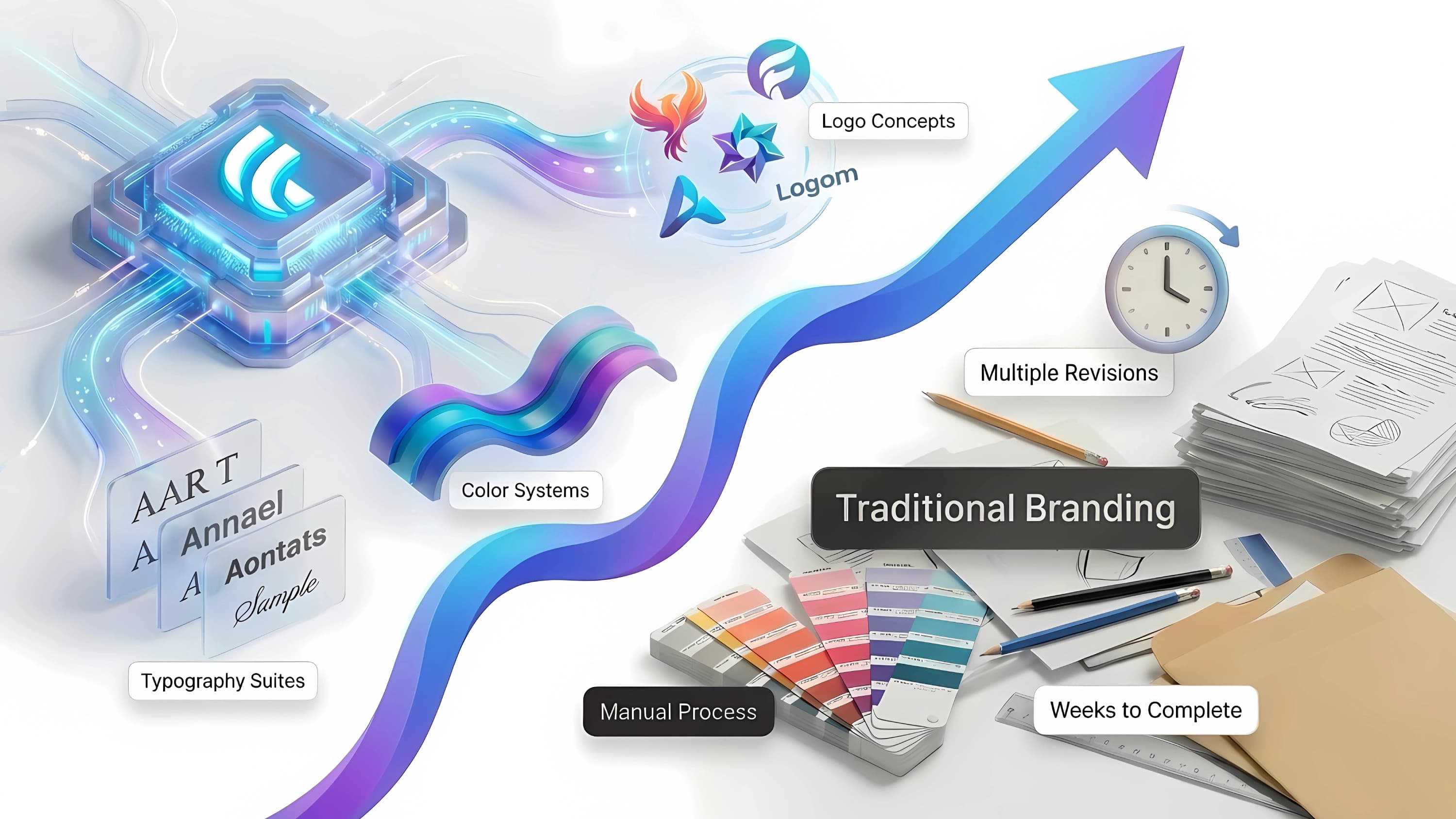
A lot of business owners think branding starts and ends with a logo. That is usually the first thing they buy, the first thing they post, and the first thing they put on a website. But if you are asking what does brand identity include, the real answer is bigger and much more useful: it includes the full system that makes your business look consistent, credible, and ready to sell.
That matters because customers do not experience your brand in one place. They see it on your website, your Instagram posts, your invoices, your email signature, your packaging, and your business card. If those pieces do not match, the business feels less established, even if your product is great. A strong brand identity fixes that by giving your business a repeatable visual and verbal foundation.
What does brand identity include in practice?
In practice, brand identity includes the visual assets, style choices, and usage rules that shape how your business appears in the real world. It is not just one design file. It is a set of connected decisions that help your business show up the same way across every touchpoint.
For most small businesses, that means your logo, color palette, typography, imagery style, brand voice, and branded applications such as social graphics or business cards. The exact package can vary depending on your business model, but the goal stays the same: create recognition and reduce inconsistency.
Think of it this way. Your logo is a symbol. Your brand identity is the system that tells people what belongs with that symbol, how it should look, and how it should be used.
The core elements of a brand identity
Logo system
Your logo is still a central piece of brand identity, but one logo file is rarely enough. A usable identity usually includes a primary logo, a secondary variation, and simpler marks for smaller spaces such as profile images or favicons.
This matters because your brand will appear in different formats and sizes. A logo that works on a website header may not work on a square social profile or a printed label. A proper logo system gives you flexibility without making the brand look different every time.
Color palette
Color is one of the fastest ways people recognize a brand. Your palette usually includes one or two primary colors, a few supporting colors, and neutral tones. These choices affect your website, graphics, packaging, presentations, and documents.
The trade-off here is balance. Too few colors can make the brand feel flat. Too many can make it feel scattered. For most early-stage businesses, a focused palette is easier to use consistently and usually looks more professional.
Typography
Typography includes the fonts your brand uses and the rules for how they are paired. This often gets overlooked, but it has a big effect on how polished your business feels.
The right font pairing can make a brand feel modern, premium, approachable, or bold. The wrong pairing can make even a good logo feel off. Good brand identity keeps typography simple enough to use across your website, social posts, sales materials, and printed assets.
Imagery and graphic style
Your brand identity should also define how photos, icons, illustrations, and graphic elements look. Are your images clean and minimal, warm and lifestyle-driven, or bold and high contrast? Do you use soft shapes, sharp lines, or simple icons?
This part is important because inconsistency often shows up here first. A business might have a polished logo but use random stock photos, mismatched icons, and different design styles from one platform to the next. A clear visual direction makes your content look like it belongs to one brand.
Brand voice and messaging tone
Brand identity is not only visual. It also includes how your business sounds. Your voice affects website copy, captions, emails, taglines, and customer communication.
For example, a law firm may need a more formal and reassuring tone, while a fitness startup may sound more energetic and direct. Neither is automatically better. What matters is that the tone fits the audience and stays consistent. If your visuals look premium but your copy sounds casual and generic, the identity starts to feel disconnected.
Layout and application rules
This is the part that turns branding from a concept into a working system. Application rules define how your assets should be used across real materials. That includes spacing around the logo, background choices, font hierarchy, color usage, and preferred layouts.
Without these rules, brand identity becomes guesswork. You or your team will make visual decisions case by case, which usually leads to inconsistency. Even a lightweight brand kit helps prevent that.
What brand identity includes beyond design files
A useful brand identity does not stop at creative direction. It also includes the assets you need to launch and operate. For a small business, that often means social media graphics, business card designs, letterhead, email signature formats, and multiple logo file types for web and print.
This is where many business owners get stuck. They pay for a logo, then realize they still need everything else. Suddenly they are hunting for fonts, guessing at colors, and trying to make a Canva post match a logo they barely know how to use. A complete identity system removes that friction and gives you business-ready materials from the start.
Why this matters for small businesses
If you are building a business with limited time and budget, brand identity is not about making things fancy. It is about making your business easier to trust.
Customers notice consistency, even when they cannot explain it. When your website, social media, email footer, and documents all look connected, your business feels more established. That can influence whether someone contacts you, buys from you, or takes you seriously.
It also saves time. Once your colors, fonts, logo variations, and templates are defined, creating new materials gets faster. You are not reinventing the brand every time you need a flyer, a post, or a pitch deck.
What does brand identity include if you are just getting started?
If you are early stage, you do not need a massive brand manual. You need the essentials that help you launch with confidence. That usually means a logo set, a small color palette, font pairings, clear visual style, and ready-to-use assets for the channels you actually use.
For some businesses, that is enough for a strong start. For others, especially if they are growing fast or working across multiple channels, the identity may need more structure over time. That is normal. Brand identity is not always built all at once. It can start lean and become more detailed as the business expands.
The key is not perfection. The key is having a system you can use consistently right now.
Common mistakes people make
One of the most common mistakes is treating the logo as the whole brand. Another is choosing design elements based only on personal taste. You may love a certain font or color, but if it does not fit your audience or your market, it will not do much for the business.
Another issue is missing file readiness. A brand identity should work across digital and print formats. If you only have one low-quality logo file, you will run into problems fast. And finally, many businesses skip applications entirely. They get the brand assets, but not the templates or branded materials needed to use them well.
How to build a usable identity faster
The fastest path is to think in systems, not single pieces. Start with the business name, industry, and the impression you want to create. From there, build a coordinated set of visuals and assets that can be used immediately across your website, social channels, and business materials.
That is why guided platforms are becoming more practical for entrepreneurs. Instead of stopping at logo generation, they can help produce a broader identity package with brand kits, visual options, mockup previews, and downloadable assets that are ready for real use. For business owners who need speed and clarity, that approach is often more useful than piecing everything together manually.
A strong brand identity should make your next step easier, not harder. If your branding gives you a logo but leaves you guessing on everything else, it is incomplete. If it gives you a coordinated system you can apply across every customer touchpoint, it is doing its job.
Brand identity is not about adding design for the sake of design. It is about giving your business a clear, consistent presence people can recognize and trust from the first impression onward.